DAFFODIL, JONQUIL, OR NARCISSUS?
LEARN CLASSIFICATION, OUTSTANDING CULTIVARS, AND MORE
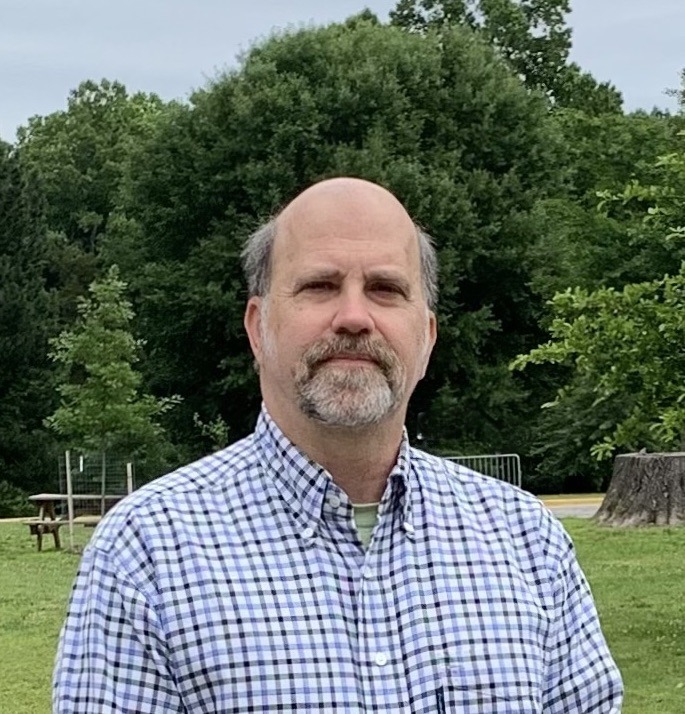
We’ll set the record straight on the many types of daffodils by describing the 13 distinct divisions. These harbingers of spring are among the easiest flowers to grow, and in central Virginia you can enjoy daffodil blooms from early February on through April by mixing early, mid, and late season varieties. Insider tips will be shared on selecting, planting, and caring for bulbs. Also covered will be the elite 49 daffodils (out of 30,000+ registered cultivars) that are American Daffodil Society Wister Award winners, in recognition of their outstanding garden performance. Late fall is ideal for planting, and so each participant will take home a special assortment of Wister Award winner bulbs donated by the Virginia Daffodil Society. Presented by horticulturist, educator, and Virginia Daffodil Society member Chris Catanzaro.
Fees: Member $15, Non-Member $18
All programs are subject to change. Pre-registration through our website is required.
Lewis Ginter Botanical Garden strives to be a Garden for all and we are committed to offering diverse adult learning opportunities that are inclusive and accessible to all learners. If you would like to request an accommodation to support your participation in an adult learning opportunity at the Garden, please contact [email protected] or call 804-262-9887 x320 and we will make our best effort to help.