For Gardeners, Timing is Key & Fall is a Great Time to Plant
by Lynn Kirk, Public Relations Writer, Lewis Ginter Botanical Garden
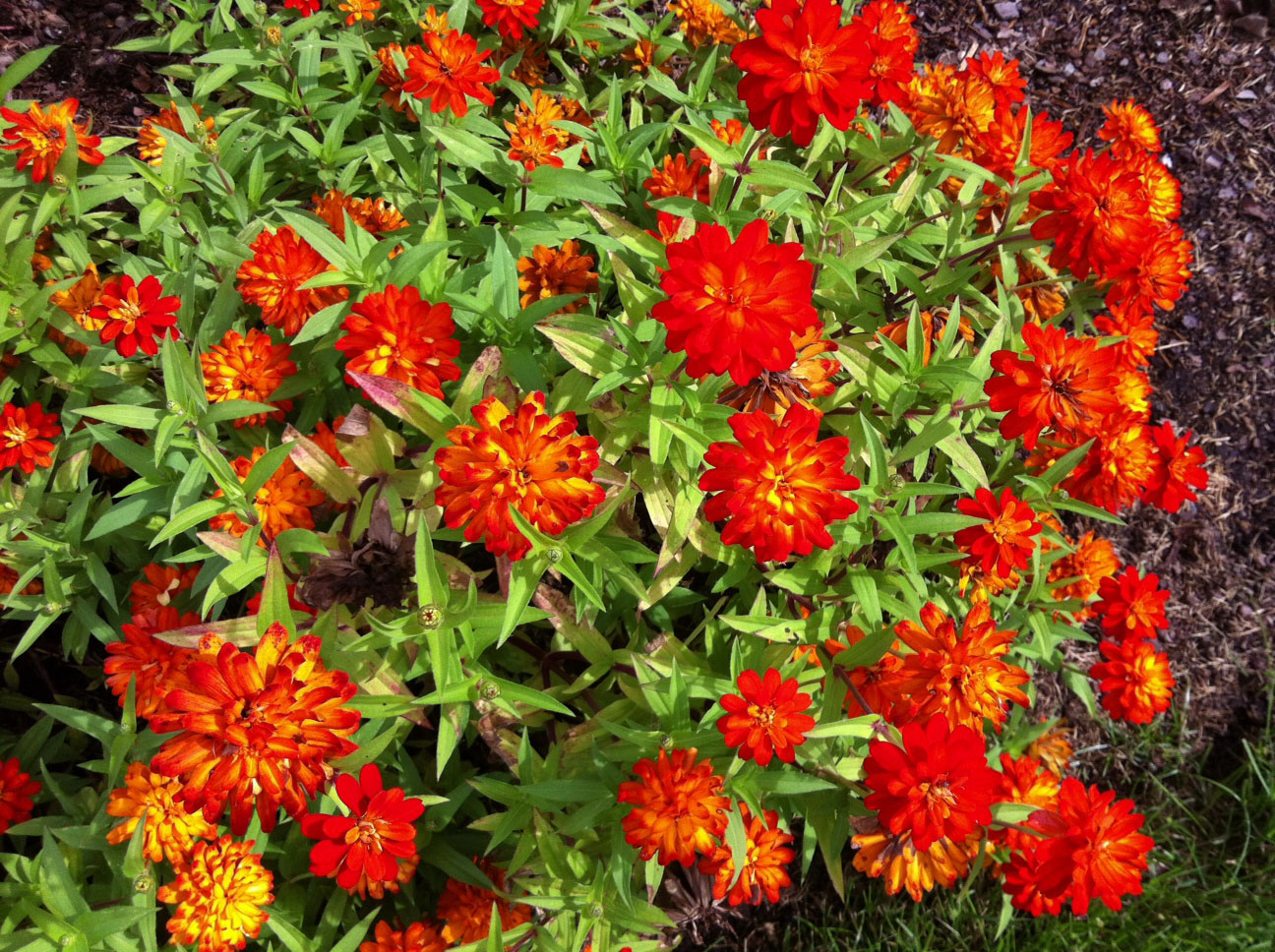 The horticulture industry’s “right plant, right place” slogan is a sound guideline, but what about “right time?” Every spring, a nation of gardeners rushes outside en mass with tools prepped, nursery stock purchased and spirits high. Their annual post-frost rituals begin — tilling, planting and transplanting — but what many don’t realize is that spring is not necessarily the best time for these activities.
“Although spring is a great time for gardening, fall is absolutely the best,” said Jim Hassold, a Virginia Certified Horticulturist with Glen Allen Nursery. As president of the Central Virginia Nursery and Landscape Association, Hassold and the CVNLA have resurrected the “Fall is for Planting” catch-phrase, made popular 20 years ago to encourage homeowners to get active in their yards and gardens now.
“Between Labor Day and Thanksgiving, when air temperatures are cooler but the soil temperatures remain warm, is actually the prime time for planting shrubs, trees and perennials,” Hassold said.
Now also is ideal for cool-season favorites like mums and pansies and for planting daffodils, tulips, hyacinth and other bulbs. Likewise, now is suitable for round two in the vegetable garden. Roughly six weeks before the first hard frost is the time to nurture cool-loving veggies such as broccoli, cauliflower and leafy vegetables. Often the harvest continues well past Thanksgiving in our moderate Zone 7.
Why is fall gardening more successful?
Warmer soil: A plant has time to establish its root system and acclimate to its new setting before the hot, dry summer.
Cooler temperatures: Fall’s cloudy, cooler days and more dependable rainfall also support root-system development.
Fewer pests and less disease: Insect and fungal activity typically lessen in autumn, giving the plant a better chance for survival and success.
Seasonal sales: You are in luck! The Lewis Ginter Botanical Garden Fall Plant Sale, with proceeds benefiting the Garden’s educational mission, is next week — September 20-21st. No admission is required for the plant sale. To see the times, and full list of vendors, please visit our website. Also, if you can’t make it next week, garden centers often have late-fall sales for pre-winter clearance. Be sure to check identification tags to verify blooming schedules and colors.
“Fall offers a far superior environment for plants to prosper and grow,” Hassold said. “When plants succeed, people tend to do more planting and that’s a win-win for everyone.”
Editor’s Note: This article first published in the Richmond Times-Dispatch on September 9, 2012